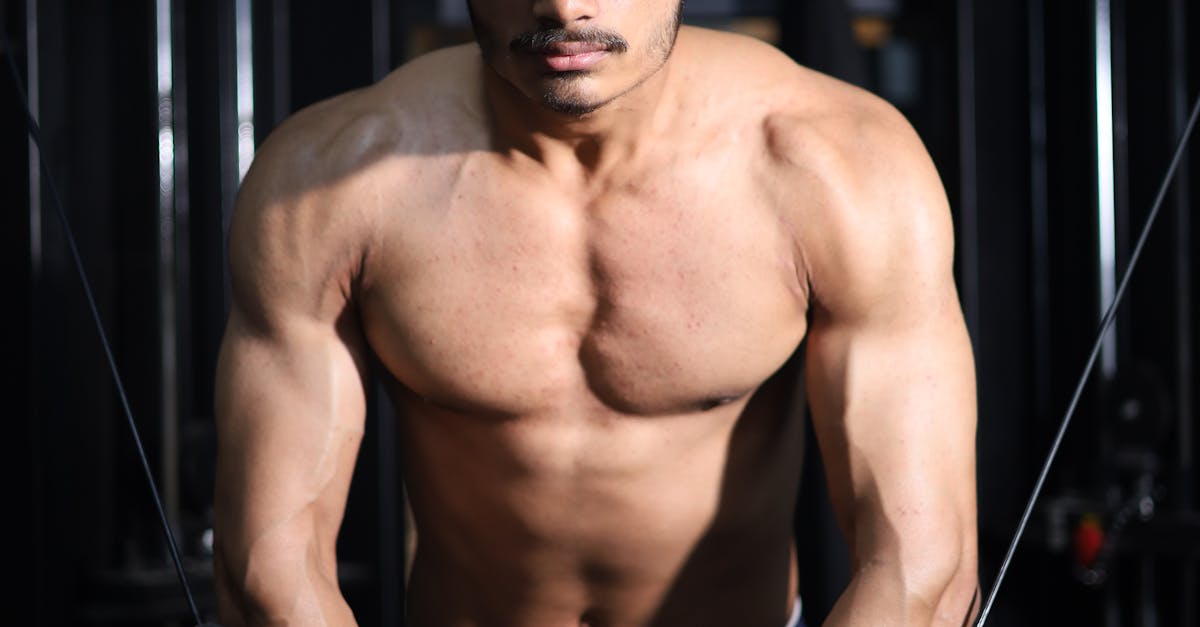
Effective Stretching Techniques After Emsculpt
Effective Static Stretching Exercises
Static stretching plays a crucial role in post-Emsculpt recovery by promoting flexibility and reducing muscle stiffness. Engaging in stretches that target the specific areas worked during the treatment can enhance overall results. A few effective static stretches include the seated hamstring stretch and the standing quadriceps stretch. Holding these positions for at least 20-30 seconds allows the muscles to lengthen and relax, which can improve range of motion over time.
Incorporating upper body stretches is equally important. The cross-body shoulder stretch and triceps stretch help alleviate tension and maintain mobility in the arms. As a rule, each stretch should be performed slowly and gently, avoiding any bouncing movements. This approach minimizes the risk of injury while ensuring that the muscles receive the full benefits of the stretch. Regular practice of these techniques not only supports the results of Emsculpt but also contributes to an overall healthier and more flexible body.
Find out further details by clicking here.
Implementing Holds for Greater Flexibility
Incorporating holds into static stretching can significantly enhance flexibility. This method involves extending a muscle to its limit and maintaining that position for a certain period, typically ranging from 15 to 60 seconds. By holding a stretch, the muscle fibers gradually elongate, which can lead to improved range of motion over time. It also helps to increase blood flow to the muscles, promoting recovery and decreasing the risk of injury after Emsculpt sessions.
Using controlled breathing while holding stretches serves to deepen relaxation and boost the effectiveness of the practice. Inhaling deeply allows the body to relax, while exhaling helps to release any tension in the muscles being stretched. Focusing on this rhythmic breathing can also distract the mind from discomfort, enabling individuals to hold stretches longer. Consistent implementation of this technique will promote lasting flexibility gains and improve overall muscle performance.
Incorporating Foam Rolling
Foam rolling is a valuable addition to a post-Emsculpt routine. This technique targets muscle tightness and enhances overall recovery. By applying pressure to specific areas, foam rolling can help release tension and improve circulation. It prepares the muscles for deeper stretching and can ease any discomfort that might arise after intense workouts.
Incorporating foam rolling into your practice allows for improved mobility and flexibility. It also aids in reducing soreness caused by lactic acid buildup. Spending just a few minutes on each muscle group promotes better alignment and can help prevent future injuries. Regular use of this method may contribute significantly to your recovery and enhance the benefits achieved through Emsculpt.
Benefits of Myofascial Release Techniques
Myofascial release techniques focus on relieving tension in the fascia, the connective tissue surrounding muscles. This approach can significantly enhance mobility, allowing for improved flexibility in the muscles worked during an Emsculpt session. By targeting specific areas of tightness, individuals may experience reduced pain and increased range of motion, making it easier to perform daily activities and exercise routines.
Incorporating myofascial release into a post-Emsculpt routine supports recovery by promoting better blood flow to the targeted muscles. Increased circulation aids in the removal of metabolic waste, helping to reduce soreness and accelerate healing. This technique not only contributes to physical recovery but also fosters a sense of relaxation and well-being, making it a valuable addition to any fitness regimen.
Breathing Techniques During Stretching
Incorporating proper breathing techniques during stretching can significantly enhance the overall experience and effectiveness of the routine. By focusing on deep, controlled breaths, individuals can promote relaxation and help their bodies get accustomed to the stretches being performed. Inhaling deeply through the nose allows for better oxygen flow, while exhaling slowly through the mouth can facilitate the release of tension in the muscles.
Mindful breathing also plays a crucial role in maintaining focus during the stretching process. Synchronizing breath with movement encourages a deeper connection between body and mind, leading to improved concentration. Practicing rhythmic breathing can prevent the body from tensing up, ensuring that each stretch is held for optimal duration. This approach contributes not only to physical flexibility but also to a sense of calm and mindfulness.
Enhancing Relaxation and Effectiveness
Integrating breathing techniques into stretching routines not only aids relaxation but also maximizes the effectiveness of each stretch. Focusing on deep, controlled breaths helps to calm the mind while simultaneously increasing oxygen flow to the muscles. This enhanced blood circulation contributes to improved flexibility and reduces tension. Practicing mindful breathing encourages a greater connection with the body, allowing individuals to better respond to their physical sensations during stretching.
To facilitate relaxation, it is beneficial to establish a rhythm between breath and movement. Inhale during the preparatory phase of a stretch and exhale as the muscle lengthens. This synchronization creates a sense of flow, which can make the experience more enjoyable and productive. Gradually releasing held breath can signal the body to let go of any residual tightness, leading to deeper and more effective stretches. Incorporating these techniques into post-EMSCULPT routines can amplify overall results.
FAQS
What are some effective static stretching exercises after Emsculpt?
Effective static stretching exercises after Emsculpt include holding stretches for major muscle groups such as hamstrings, quads, hip flexors, and shoulders. Aim to hold each stretch for 15-30 seconds to promote flexibility.
How long should I hold stretches for greater flexibility?
For greater flexibility, it's recommended to hold each stretch for 15-30 seconds, repeating 2-4 times per muscle group. This duration allows the muscles to relax and lengthen effectively.
What is foam rolling, and how can it help after Emsculpt?
Foam rolling is a self-myofascial release technique that helps relieve muscle tightness and improve blood flow. After Emsculpt, foam rolling can aid in recovery and enhance muscle performance by reducing soreness.
What are the benefits of myofascial release techniques?
The benefits of myofascial release techniques include reduced muscle tension, improved flexibility, enhanced circulation, and relief from pain and discomfort. These techniques can be particularly effective after a workout like Emsculpt.
How can breathing techniques enhance my stretching routine?
Breathing techniques can enhance your stretching routine by promoting relaxation and increasing the effectiveness of the stretches. Deep, controlled breaths help calm the nervous system, allowing for a deeper stretch and improved focus during the routine.
Related Links
Recommended Cardio Workouts Following EmsculptHow to Incorporate Emsculpt into Your Fitness Routine