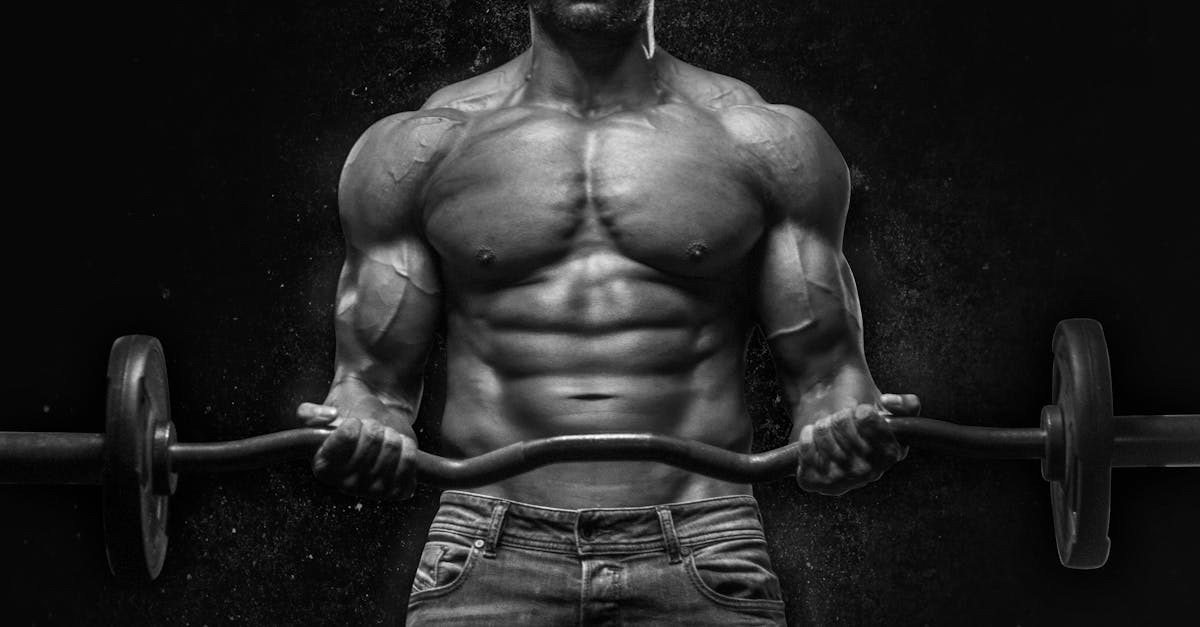
Cost Analysis: Emsculpt vs Traditional Strength Training
Results and Effectiveness
Emsculpt has emerged as a popular non-invasive treatment aimed at building muscle and reducing fat in targeted areas. By utilizing high-intensity focused electromagnetic (HIFEM) technology, this method claims to induce rapid muscle contractions, leading to the development of muscle mass and the possibility of fat reduction in the treated regions. Users often report visible results within a few sessions, making it an attractive option for those seeking a quick fix without the commitment of traditional workouts. However, individual results can vary significantly based on personal body composition and adherence to lifestyle changes.
In contrast, traditional strength training relies on consistent physical effort to achieve muscle gain and fat loss over time. This method not only strengthens muscles but also boosts metabolism and enhances overall physical fitness. Results from strength training typically become more pronounced with regular practice, often requiring a longer duration to see significant changes. While this approach fosters a healthy lifestyle and promotes long-lasting benefits, the time and effort involved may deter some individuals. Each method offers unique advantages and challenges regarding effectiveness, shaping the choice dependent on personal goals and preferences.
Additional info can be found here.
Expected Outcomes of Emsculpt vs. Strength Training
Emsculpt treatments primarily focus on building muscle mass and reducing fat in targeted areas through electromagnetic stimulation. Users may expect noticeable improvements in muscle tone and strength after a series of sessions. Many individuals report quicker visual changes compared to traditional strength training methods, where results typically manifest over a longer period. Those seeking a rapid transformation often find Emsculpt appealing due to its non-invasive nature and efficiency in triggering intense muscle contractions.
Traditional strength training, on the other hand, emphasizes a holistic approach towards fitness. While it requires more time and effort, individuals can expect benefits that extend beyond physical appearance. Regular strength training improves overall functional strength, enhances metabolic rate, and contributes positively to bone density. Adopting a consistent regimen promotes not only muscle growth but also increased stamina and endurance, offering a broader array of health advantages beyond aesthetic outcomes.
Safety and Risks
Emsculpt, while generally considered safe for many individuals, does come with some potential risks. Most side effects are mild and temporary, including bruising, swelling, or discomfort at the treatment site. However, there have been reports of more serious reactions, such as changes in skin sensation or muscle damage. It is crucial for potential candidates to consult with a qualified healthcare provider to assess personal health conditions and determine if Emsculpt is suitable for them.
Traditional strength training also carries its share of risks, particularly if exercises are performed with improper form or excessive weight. Muscle strains, joint injuries, and other overuse injuries can occur, especially for beginners. Proper guidance and instruction can mitigate these risks. It is essential to listen to one’s body and progress gradually to build strength while minimizing injury potential.
Potential Side Effects of Emsculpt and Weights
Emsculpt, while generally considered safe, may come with some potential side effects. Patients often report muscle soreness at the treatment site, similar to what one might experience after an intense workout. In rare instances, there may also be more significant concerns like skin irritation, swelling, or even muscle cramping, particularly for those with pre-existing medical conditions. Consulting a healthcare provider before undergoing Emsculpt is essential for minimizing risks.
Traditional strength training carries its own set of possible side effects, especially when performed incorrectly. Overtraining can lead to injuries such as strains or sprains, affecting muscles, tendons, and ligaments. Additionally, improper form or excessive weight can contribute to chronic issues like lower back pain or joint problems. Education on technique and gradual progression are vital components in mitigating these risks, helping individuals to train safely and effectively.
Long-term Commitment
Sustaining results from Emsculpt requires less continuous effort compared to traditional strength training. Treatments typically yield improvements within a short time frame, necessitating maintenance sessions every few months for optimal results. This periodic commitment can be appealing for individuals looking for a less intensive approach to fitness.
In contrast, traditional strength training promotes a lifestyle change that involves consistent workouts and healthy eating habits. Achieving significant muscle gains and overall fitness demands dedication over an extended period. This approach not only enhances physical strength but also fosters discipline and long-term health benefits.
Sustainability of Results for Emsculpt and Strength Training
Emsculpt provides immediate results by inducing muscle contractions, allowing for quick aesthetic improvements in specific areas. However, the sustainability of these results relies heavily on maintaining an active lifestyle. Users may observe a gradual decline in muscle definition if they revert to a sedentary routine. Regular exercise and healthy eating habits are essential to prolong the benefits achieved through Emsculpt treatments.
On the other hand, traditional strength training emphasizes the development of muscle strength and endurance over time. Progress is often gradual, with consistent workouts leading to lasting changes in physique and overall fitness. Individuals who commit to a structured training regimen can expect to maintain their results with less effort compared to those who rely solely on non-invasive procedures. Developing a consistent workout habit reinforces both physical strength and a commitment to overall health.
FAQS
What are the typical costs associated with Emsculpt treatments?
Emsculpt treatments generally range from $750 to $1,000 per session, with multiple sessions often recommended for optimal results.
How does the cost of Emsculpt compare to traditional strength training?
Traditional strength training costs vary widely based on gym membership fees, personal training sessions, or class costs, but can be significantly lower over time compared to the cumulative cost of multiple Emsculpt sessions.
Are there any hidden costs with Emsculpt treatments?
Potential hidden costs may include follow-up sessions, maintenance treatments, and any required consultations or assessments prior to starting the Emsculpt program.
Is traditional strength training a more cost-effective option in the long run?
Yes, while the initial investment in a gym membership or equipment may seem high, traditional strength training can be more cost-effective over time due to its sustainability and lower ongoing costs.
Can insurance cover the costs of Emsculpt treatments?
Generally, Emsculpt is considered a cosmetic procedure and is not covered by insurance, whereas traditional strength training expenses may be covered if prescribed for medical reasons.
Related Links
Time Efficiency of Emsculpt Compared to Traditional Strength TrainingEmsculpt Results Versus Traditional Strength Training Outcomes